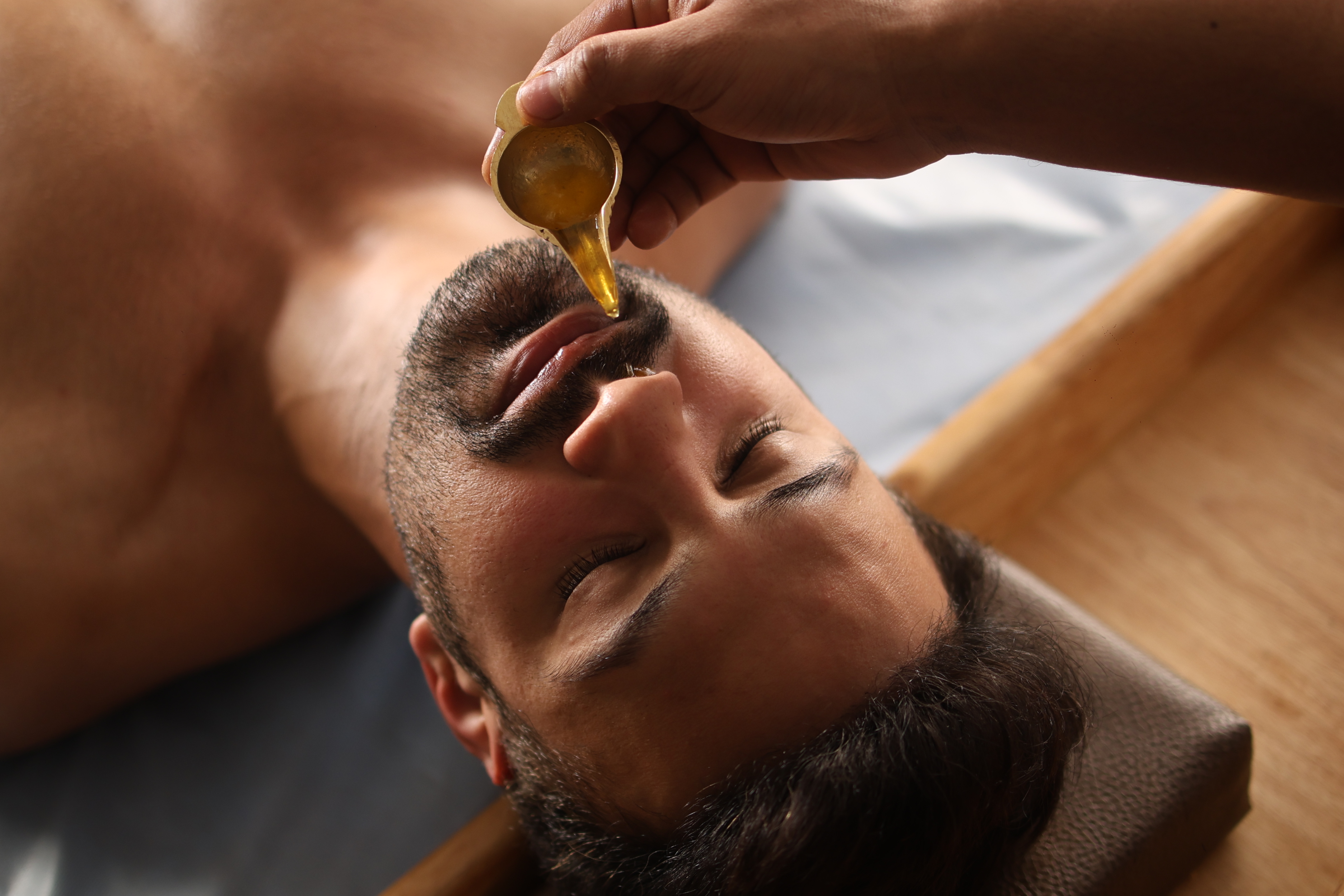
In Ayurveda, healing does not end when the therapy ends. It deepens with the right food, right routine, and right care. After Nasya treatment, your body becomes sensitive, open-minded, and deeply responsive. The nasal passages open. The mind clears. The dosha begins to rebalance. At this stage, the diet following Nasya treatment plays a significant role in determining the depth and duration of your healing.
Many people ask:
- What should I eat after nasya?
- What food supports faster recovery?
- What must I avoid to protect the benefits of nasya therapy?
This blog provides clear answers in simple language, guided by both classical Ayurveda and modern clinical experience at Betterway, a trusted Ayurvedic centre in India.
“Nasya panchakarma treatmet is not just a therapy for the nose, it is a sacred reset for the mind, breath, and awareness. When medicated oils travel through the nasal passage, they awaken clarity, release emotional heaviness, and restore balance. Supported by mindful food and routine, Nasya becomes a gentle yet powerful journey back to inner harmony.”
Understanding Nasya Treatment in Ayurveda
Nasya treatment is one of the five core therapies of Panchakarma. It focuses on cleansing, nourishing, and strengthening the organs above the clavicle, nose, sinuses, eyes, ears, throat, and brain.
In Ayurveda, the nose is called the gateway to the head. Through this gateway, medicated oils, powders, or herbal extracts are administered.
What Hhappens During Nasya Treatment
- Medicinal oils like anu taila nasya are instilled into each nostril
- The therapy clears accumulated Kapha and toxins
- Improves breathing, memory, sleep, and emotional balance
- Helps conditions like sinusitis, migraine, cervical stiffness, anxiety, and hormonal imbalance

Whether you receive nasyam treatment for detox or disease management, post-therapy care determines your results.
Why Diet Matters After Nasya Treatment
After Ayurveda nasya treatment, the digestive fire (Agni) becomes delicate. Heavy or wrong food can:
- Block the sinuses again
- Create mucus formation
- Reduce the effect of therapy
- Trigger headache or fatigue
That is why the nasya diet is not optional; it is essential. At Betterway, every patient receives a personalised after nasya diet chart to protect the therapy’s benefits.
Core Principles of Nasya Treatment Diet
Before listing foods, understand the principles behind the nasya diet:

- Food should be warm and freshly cooked
- It must be easy to digest
- It should reduce Kapha and balance Vata
- Spices should be mild but activating
- Avoid anything cold, heavy, or processed
What to eat after Nasya treatment
1. Warm liquids: The first healing step
Warm liquids soothe the nasal passage and support detox.
Recommended:

- Warm water with ginger
- Herbal teas (Tulsi, Mulethi, Cumin)
- Light vegetable broths
2. Light Breakfast Options
After Nasya treatment, breakfast should never be heavy.
Best choices:
- Thin rice porridge (kanji)
- Moong dal soup
- Stewed apples or pears
- Warm vegetable upma
These foods form the base of the diet after nasya treatment.
3. Ideal Lunch Foods After Nasyam Treatment
Lunch should be nourishing but simple.
Recommended meals:
- Soft-cooked rice with moong dal
- Khichdi with ghee
- Cooked vegetables like bottle gourd, pumpkin, carrot
- Mild spices like cumin, coriander, and turmeric
4. Evening Snacks: Eat Mindfully
Choose foods that calm the nervous system.
Good options:
- Roasted makhana
- Warm herbal tea
- Steamed vegetables
Avoid biscuits, bakery items, or cold drinks.
5. Dinner After Ayurvedic Treatment
Dinner should be:
- Light
- Taken before 7:30 PM
- Easy to digest
Best options:
- Vegetable soup
- Thin dal with roti
- Steamed vegetables
This helps the body absorb the benefits of nasya therapy overnight.
Foods to Strictly Avoid After Nasya Treatment
Avoiding wrong foods is as important as choosing the right ones.
Do NOT consume:
- Cold water or ice
- Curd and buttermilk at night
- Fried or oily food
- Cheese and processed foods
- Bakery items
- Carbonated drinks
Special Dietary Advice When Using Anu Taila Nasya
When anu taila nasya is used, the body undergoes deeper lubrication therapy.
Avoid:
- Excess salt
- Sour food
- Heavy protein
Prefer:
- Ghee
- Rice
- Light vegetables
This ensures smooth detox and nourishment during nasyam ayurvedic treatment.
After Nasya Diet Chart
Morning: Warm water + herbal tea
Breakfast: Rice porridge/moong dal soup
Lunch: Khichdi + cooked vegetables
Evening: Herbal tea/makhana
Dinner: Vegetable soup / thin dal
Food after Nasya Treatment
Nasya therapy does not just heal sinuses. It releases emotional heaviness stored in the head and neck.
Eating warm, sattvic food:

- Brings mental calm
- Reduces anxiety
- Improves sleep
- Enhances clarity
At Betterway, patients often report emotional lightness when diet and therapy work together.
Can you follow Nasya Therapy at Home and Diet Together?
Yes: but only under expert guidance.
If you search for nasyam treatment near me, always ensure:
- Proper diagnosis
- Correct oil selection
- Personalised diet
A wrong diet at home can reverse benefits. That is why consulting an experienced Ayurvedic clinic in Delhi matters.
Why Choose Betterway for Nasya treatment
Betterway is known for authentic Ayurvedic treatment with deep clinical understanding.
People trust Betterway because:
- Experienced Ayurvedic doctor team
- Individualised diet plans
- Safe Panchakarma protocols
- Transparent guidance
Patients looking for an Ayurvedic Clinic in Gurgaon often find long-term relief here.
Nasya Therapy in the Modern Lifestyle
In today’s polluted, stressful life:
- Sinus issues are common
- Sleep disorders are rising
- Mental fog affects productivity
Conclusion
Nasya treatment opens the door to healing.
Food decides how long that door stays open.
Combined with a suitable nasya diet, basic routines, and professional advice by Betterway, the healing process is more profound, safer and sustainable. Expert guidance is what you need and cannot do without, whether you have decided to go through nasya panchakarma treatment or are already receiving nasyam treatment or you are simply seeking out the correct advice of an Ayurvedic doctor who has ample experience.
Book your personalised Nasya treatment and post-therapy diet consultation at Betterway Ayurveda centre in Gurgaon today. Let experienced hands guide your healing, restore your balance, and help you breathe, think, and live better; naturally, safely, and holistically.
Read more about our panchakarma procedures: Do’s and Don’ts During Basti Panchakarma Treatment.
FAQs
1. What to eat after nasya treatment?
Always take warm, light and freshly cooked food after Nasya treatment. The best are moong dal soup, rice porridge, khichdi, cooked vegetables, and herbal teas. The diet right after nasya treatment is to safeguard the sinuses, improve digestion and enhance the outcome of nasya treatment. Cold, fried, and heavy foods should be avoided during recovery.
2. Can I take a bath after nasya?
Yes, it is possible to take a bath after nasya ayurveda but it is recommended to wait at least 2-3 hours. Always wash with lukewarm water and never wash your head with cold water. When well taken care of after treatment using the nasyam technique, recovery becomes quicker and Kapha is not aggravated.
3. How long does it take for nasya to work?
The effect of Ayurveda nasya treatment can be felt immediately in some people, such as clearer breathing or mental lightness. However, for chronic issues, noticeable results usually appear within 3–7 sessions, depending on the condition, lifestyle, and adherence to the after nasya diet recommended by your Ayurvedic doctor.
4. What foods should be avoided after nasya therapy?
After nasya therapy, avoid cold water, curd, ice cream, fried foods, bakery items, and processed meals. These foods increase Kapha and can block the sinuses again, reducing the benefits of nasya panchakarma treatment.
5. Is a special after nasya diet chart really necessary?
Yes. A structured after nasya diet chart ensures that digestion remains strong and toxins do not reaccumulate. At Betterway, personalised diet plans are given to maximise the healing effects of nasyam ayurvedic treatment and overall ayurvedic treatment outcomes.
6. Can I follow nasya therapy at home?
Nasya therapy at home should only be done under the guidance of an experienced Ayurvedic doctor. Incorrect oil selection, dosage, or diet can cause discomfort. If you are searching for nasyam treatment near me, always choose a trusted centre like Betterway for safe and effective care.
7. Is anu taila nasya suitable for everyone?
Anu taila nasya is commonly used and suitable for many conditions, but it is not universal. The oil and dosage depend on age, body constitution, and health condition. Consulting an expert at an Ayurvedic Clinic in Gurgaon or a reputed Ayurvedic hospital in India is essential.
8. Who should consult an Ayurvedic doctor for nasya treatment?
Anyone suffering from sinus issues, migraines, cervical pain, stress, sleep problems, or hormonal imbalance can benefit from nasya therapy. Consulting a qualified Ayurvedic doctor at a trusted Panchakarma in India ensures correct diagnosis and lasting results.
Disclaimer: This content is for educational purposes only and is not a substitute for professional medical advice.

