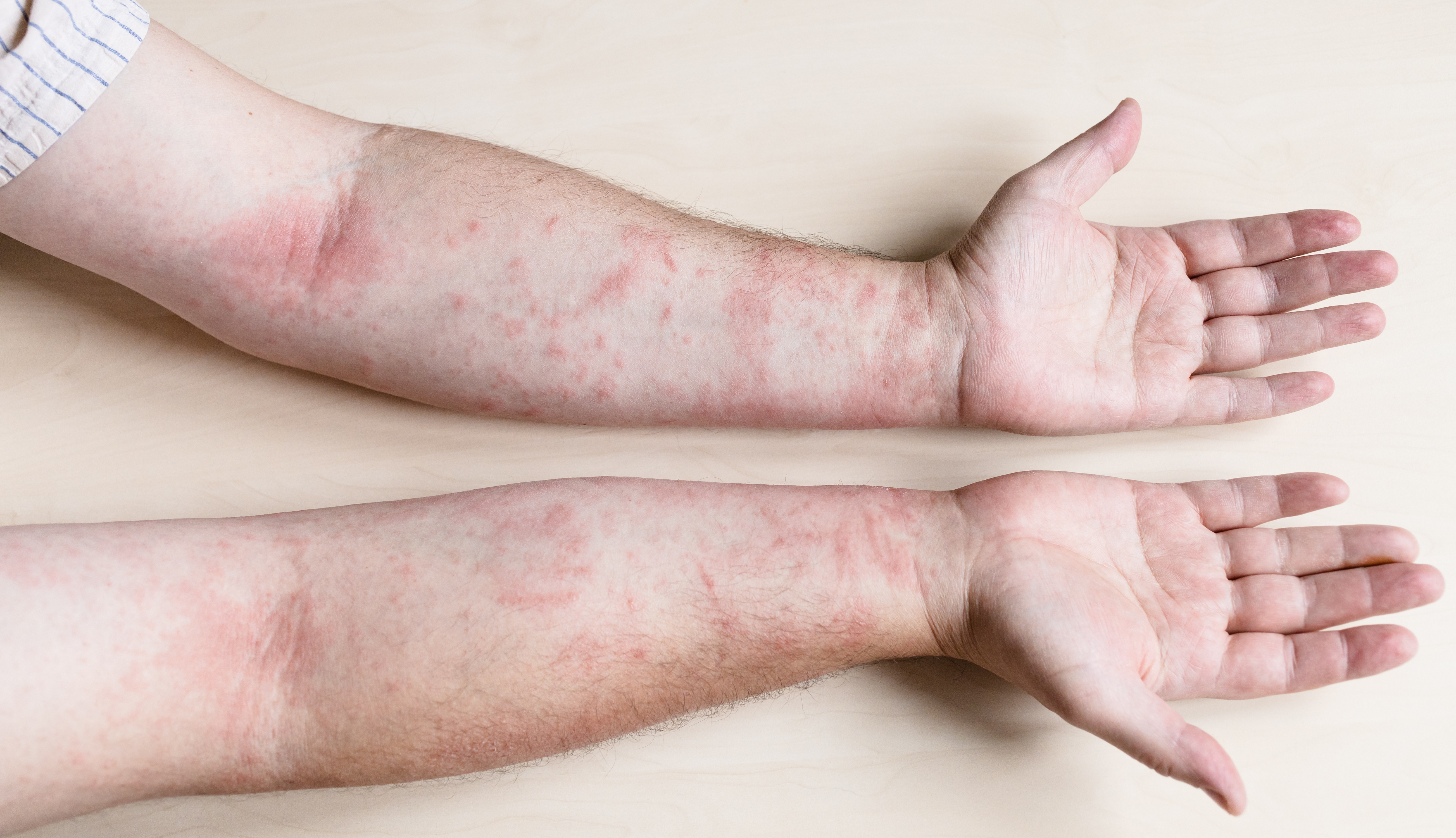
If you have ever had sudden, itchy, red patches that appear without warning and disappear within hours, you may have had urticaria. It is commonly called hives. But for many people, it becomes more than a temporary reaction. It turns into a constant and emotionally draining urticaria skin problem. Millions of people worldwide suffer from this inflammatory urticaria skin disease. While some cases resolve quickly, others develop into long-term conditions that impact sleep, work, confidence, and mental health.
This guide explains everything in depth, from causes and symptoms to medical and Ayurvedic healing approaches offered at Betterway, an Ayurvedic clinic in India.
“Urticaria is not just a rash. It is the body’s warning signal that something within is out of balance. The red welts may appear on the skin, but the real disturbance often lies deeper, in immunity, digestion, hormones, or emotional stress. True healing begins when we stop suppressing the symptoms and start restoring internal harmony.”
What is urticaria?
It is a skin condition characterised by:

- Raised red or pink welts
- Intense itching
- Swelling
- Burning sensation
These bumps occur because the immune system releases histamine into the bloodstream. Histamine increases blood vessel permeability, leading to swelling and redness. In medical science, it refers to a transient vascular reaction of the skin characterised by dermal oedema resulting from mast cell activation.
In simpler language, it means your immune system is overreacting.
Major Urticaria Causes
Understanding the causes of Urticaria is essential for long-term relief.
1. Allergic triggers
This type is called allergic urticaria. Common triggers include:
- Peanuts
- Dairy
- Seafood
- Antibiotics
2. Infections
Viral or bacterial infections can trigger acute urticaria.
3. Autoimmune disorders
In chronic urticaria, the immune system may attack healthy tissues.
4. Stress

Emotional stress increases histamine release.
5. Environmental factors
- Heat
- Cold
- Sun exposure
- Pressure on the skin
Types of urticaria
Understanding the types helps select proper therapy.
1. Acute urticaria

- Lasts less than 6 weeks
- Often linked to food or medicine
- Sudden onset
2. Chronic Urticaria

- Persists for more than 6 weeks
- Can last months or years
- Often idiopathic
Chronic Urticaria Treatment
Requires:
- Immune regulation
- Root cause assessment
- Lifestyle correction
Can Stress Cause Urticaria?

Yes, stress plays a powerful role. When stressed:
- Cortisol levels fluctuate
- Mast cells become reactive
- Histamine release increases
Research shows chronic stress worsens inflammatory skin disorders. Stress does not directly cause an allergy, but it intensifies symptoms. Many patients notice flare-ups during emotional trauma, exams, work pressure, or relationship stress. At Betterway, an Ayurvedic clinic in Delhi, our Ayurvedic consultant focuses heavily on stress reduction as part of the healing process.
Is Urticaria Dangerous?
Most cases are harmless and temporary. However, if swelling affects:
- Throat
- Tongue
- Airways
It becomes life-threatening. Therefore, always consult a urticaria specialist for recurring or severe episodes.
Ayurveda’s View on Skin Allergy
Ayurveda identifies this condition as “Sheetapitta.” Root causes:
- Pitta imbalance
- Blood toxicity
- Poor digestion
Benefits of Urticaria Ayurvedic Treatment
- Detoxifies blood
- Reduces inflammation
- Balances immunity
- Improves gut health
This holistic approach supports effective treatment for chronic skin problems.
Panchakarma & Detox Therapy
For deeper healing, Betterway offers:

Panchakarma treatment is decided according to your condition. Therefore, please consult an Ayurvedic doctor for proper guidance.
Diet Plan: Foods to Avoid
Avoid:
- Spicy food
- Fermented items
- Cold beverages
- Processed snacks
Urticaria in children
Children commonly develop acute skin problems due to:
- Viral infections
- Food allergies
Ayurvedic care is gentle and safe for kids under expert supervision.
When to Consult a Doctor?

Seek Immediate Emergency Care If:
You must go to the nearest hospital if you experience:
- Swelling of the lips, tongue, or throat
- Difficulty breathing
- Tightness in the chest
- Dizziness or fainting
- Rapid heartbeat
Consult a Doctor If:
Even if symptoms are not severe, book an appointment if:
- The rash lasts more than a few days
- Hives keep returning repeatedly
- You suspect a chronic skin problem (lasting more than 6 weeks)
- Over-the-counter medication is not working
- The itching is disturbing your sleep
- You notice worsening symptoms despite avoiding triggers
Conclusion:

Skin flare-ups may look simple on the outside, but they often reflect deeper internal imbalance. Recurring rashes, itching, and swelling can disturb sleep, undermine confidence, and cause emotional stress. Temporary relief is possible with quick fixes, but long-term comfort comes only when the root cause is addressed. True healing requires understanding your body, your immunity, digestion, lifestyle, and stress levels. When these systems are brought back into balance, the skin naturally calms down. That is why a personalised and holistic approach matters far more than short-term symptom control.
At Betterway Ayurvedic Hospital in Gurugram, the focus is not just on suppressing visible signs. The goal is to restore internal harmony through guided detox, customised herbal support, diet correction, and stress management. Every treatment plan is designed after careful study of the individual, not just the condition.
If you or your loved one has been struggling with recurring skin flare-ups, do not ignore the signals. Early care prevents long-term discomfort and helps you regain peace of mind.
Take the first step toward natural, lasting relief. Book your consultation with Betterway today and begin your journey toward balanced health and calm, confident skin.
FAQs:
1. What is urticaria, and why does it happen?
It is a skin condition where red, itchy welts appear suddenly. It happens when the body releases histamine due to allergies, infections, stress, oran immune imbalance.
2. Can urticaria be cured permanently?
Some cases resolve completely after identifying and removing triggers. Long-term management is possible with proper medical guidance and lifestyle correction.
3. Is urticaria contagious?
No, it is not contagious. It cannot spread from one person to another.
4. Can children get urticaria?
Yes. Children may develop hives due to food allergies, viral infections, or environmental triggers. Most cases are temporary.
5. Can a hormonal imbalance cause urticaria?
Yes. Hormonal changes during pregnancy, thyroid disorders, or menstrual cycle shifts may trigger flare-ups in some individuals.
6. Does urticaria leave scars?
Usually, hives do not leave scars. However, excessive scratching may cause skin marks or pigmentation.
Disclaimer: This content is for educational purposes only and is not a substitute for professional medical advice.

